Radiotherapy (Radiation Therapy)
Radiotherapy is a treatment method that uses high-energy radiation to destroy cancer cells, commonly known as radiation therapy. In Istanbul, ONCOMSI approaches radiotherapy not as a stand-alone procedure but as part of an integrative treatment plan that coordinates the patient’s whole journey. On this page you will find what radiotherapy is, how it is given, how many sessions it takes and its side effects.
İçindekiler
ToggleWhat Is Radiotherapy?
Radiotherapy is the therapeutic use of high-dose ionizing radiation to destroy cancer cells. Radiation is a special form of energy carried by waves or particles; it can be produced by special devices or released by radioactive substances. When this energy is directed at diseased tissue, it destroys cells by damaging the genetic material that controls how cancer cells grow and divide.
High-energy rays affect both cancerous and healthy cells. However, because cancer cells divide much faster than normal cells, they are more sensitive to radiation. Healthy cells can largely recover from the effects of radiation. The aim of treatment is to deliver the highest possible dose to the cancerous tissue while protecting the surrounding normal tissue as much as possible.
The medical specialty devoted to treating disease with radiation is called radiation oncology. Radiotherapy is a common, well-established treatment method used as part of the treatment plan in about half of all cancer patients.
How Does Radiotherapy Work?
Radiotherapy works by damaging the genetic material (DNA) of cells through the ionization the rays create. This damage prevents cells from dividing and leads to cell death. Because cancer cells divide quickly and have a limited capacity for DNA repair, they are more affected by this damage.
Radiation affects DNA in two ways. The ray can break DNA bonds directly, or it can cause indirect damage through free radicals formed when it ionizes water molecules inside the cell. Part of the damage is sublethal, meaning it can be repaired depending on the cell’s ability to repair itself; this applies mostly to healthy cells. A large proportion of cancer cells cannot make this repair, and the accumulated damage results in cell death. Like surgery, radiotherapy is a local treatment and affects only the cells in the area where it is applied; this local effect is what allows treatment to focus on the target without harming healthy tissue.
The absorbed radiation dose is measured in gray (Gy). A patient receiving radiotherapy is usually exposed to a total dose in the range of 40-70 Gy, depending on the treatment plan. This total dose is split into small, equal parts (fractions) so that normal tissue can renew itself.
The radiation sources used in radiotherapy vary. Depending on the tumor’s type, location in the body and especially its depth, the physician may use X-rays or an electron beam. High-energy X-rays are used to treat many cancer types, while electron beams are preferred more for some superficially located tumors. External treatments used to be planned in two dimensions; today, three-dimensional planning makes it possible to deliver a high dose to the target volume while better protecting the surrounding tissue.
Types of Radiotherapy: External and Internal
Radiotherapy is given in two basic ways: from outside the body (external) and from inside (internal). In some patients the two methods may be used one after the other. The radiation oncologist decides which method to use, taking into account the tumor’s type, location and depth.
External Beam Radiotherapy
In most patients radiotherapy is given externally. Devices at the treatment center direct rays at the diseased tissue from outside the body. Today, advanced methods such as three-dimensional conformal radiotherapy, intensity-modulated radiotherapy (IMRT) and stereotactic body radiotherapy (linac-based, Gamma Knife, CyberKnife) make it possible to deliver a high dose to the target volume while minimizing the dose to surrounding healthy tissue.
Internal Radiotherapy and Brachytherapy
In internal radiotherapy, a radioactive source in the form of a thin wire, tube, needle or seed is placed directly inside or near the tumor. This method is called brachytherapy. Brachytherapy can be used in many cancer types, including gynecologic cancers and prostate, breast, lung, stomach and esophageal cancer. In high-dose-rate (HDR) brachytherapy, the dose is delivered in short sessions through an applicator placed near the tumor.
An important advantage of brachytherapy is that, because the radiation source is placed close to the target, surrounding healthy tissue is less affected. This allows the physician to deliver a high radiation dose to the tumor without harming the surrounding tissue. For example, in early-stage prostate cancer, radioactive sources can be permanently placed in the prostate gland under ultrasound guidance, with radiation released gradually over months. In high-dose-rate treatments, sessions are usually short, lasting from a few minutes to fifteen minutes, and are painless.
Stereotactic Radiotherapy and Other Advanced Methods
Stereotactic radiotherapy is an approach in which high, ablative doses are delivered to specific points while normal tissues are protected as much as possible. It is generally used for small tumors and in early-stage patients who cannot have surgery, and can be given in a small number of sessions. For the full list of methods and the differences between them, see types of radiotherapy.
Intraoperative Radiotherapy (IORT)
In some cases, if the likelihood of the cancer recurring locally is high, a decision may be made to give radiotherapy during surgery (IORT). This method comes up especially when tumor remains at the surgical margins or the tumor cannot be removed completely. IORT, given as a single dose, is usually not sufficient on its own and needs to be completed with external radiotherapy.
Who Is Radiotherapy For?
Radiotherapy can be used to treat cancers arising in almost any part of the body. In some cancer types it is the main treatment on its own, but in most cases it is given together with surgery and drug treatment. The main purposes of radiotherapy are:
- Shrinking the tumor before surgery (neoadjuvant)
- Clearing microscopic cancer cells that may remain after surgery (adjuvant)
- Serving as the primary treatment of the disease on its own (primary/curative)
- Being given at the same time as drug treatment (chemoradiotherapy)
- Relieving complaints such as pain and bleeding in advanced disease (palliative)
The purpose and method of radiotherapy are planned individually according to the patient’s diagnosis and the type and stage of the cancer. It is important that this decision is consistent with the patient’s overall treatment plan.
Curative vs Palliative Intent
Radiotherapy is given within two main frameworks depending on the intended outcome. In curative radiotherapy, the aim is to bring the disease fully under control; this approach is generally preferred in early-stage cancers or when the disease is confined to a specific area. In palliative radiotherapy, the aim is to improve quality of life by relieving complaints such as pain, bleeding or pressure in advanced disease. The dose and session plan differ in the two approaches according to the intended outcome.
These decisions are assessed according to the patient’s age, general health and compatibility with other treatments. In older or frail patients, treatment is personalized to keep the side-effect burden as low as possible. In ONCOMSI’s approach, this personalization is made with a view that sees the patient not as a statistic but as an individual with their own story.
The Radiotherapy Process: From Preparation to Follow-Up
The radiotherapy process consists of planned steps from the first consultation to follow-up after treatment. Knowing in advance how the process will go helps patients start treatment better prepared and more at ease.
1. Initial Consultation and Assessment
The process begins with an examination and assessment by the radiation oncologist. At this consultation, the aim and plan of treatment and the frequency and length of sessions are explained to the patient. At ONCOMSI, the radiotherapy decision at this stage is considered with an integrative view, under the supervision of the medical oncologist who coordinates the patient’s whole treatment plan.
2. Simulation and Planning
Before treatment starts, a preparation session is held with computed tomography (CT) planning. At this stage, the position the patient will hold during treatment is determined and a CT scan is taken in that position. The scan identifies the tumor areas and the normal tissues that need protecting. The doctor and the radiation physicist work together to determine the required radiation dose, how it will be delivered and how many sessions it will take. This planning may take a few days.
During planning, marks are made on the patient’s skin so that the same area can be treated under the same conditions in every session. These marks may be made with long-lasting pens or small dot tattoos. It is important to keep them until treatment ends.
3. Treatment Sessions
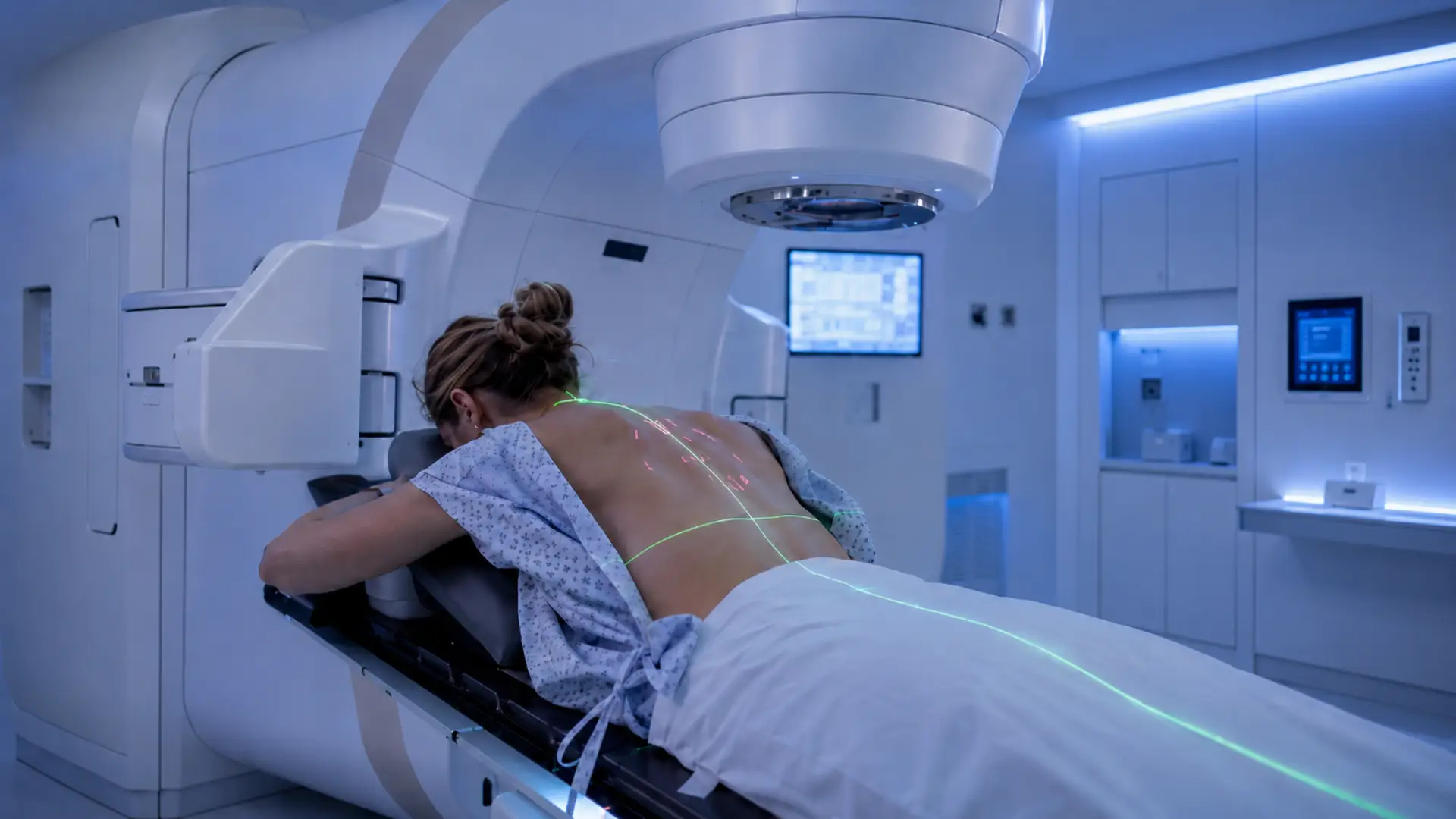
In a treatment session, the patient lies on the treatment table in the previously determined position. Depending on the area treated, immobilization accessories such as a head-and-neck mask or a vacuum cushion may be used. External radiotherapy is a painless procedure, like having an X-ray; the rays are invisible and the machine does not touch the skin. The patient only needs to breathe normally during the procedure.
Just before the radiation is delivered, the technician leaves the treatment room and operates the machines from a nearby control area. The patient is watched through a camera or window and can talk to the team through a speaker. Because of their size, radiotherapy machines can be noisy as they rotate; this is normal. If the patient feels uncomfortable, telling the team is enough, and the machine can be stopped immediately when needed. Keeping the correct position in every session is important for delivering the dose to the target as precisely as possible.
4. Follow-Up After Treatment
Once treatment has started, the doctor regularly monitors the patient’s response, general condition and possible side effects. These checks are usually weekly, although their frequency may vary with the patient’s condition. Receiving the planned treatments on time is important for the expected effectiveness. For detailed information on what to watch for after radiotherapy, see what to pay attention to after radiotherapy.
Is Preparation Needed Before Radiotherapy?
Before radiotherapy, a preparation process is carried out so that treatment can be delivered to the right area at the right dose. At its center is the simulation performed with CT planning. In some special cases, planning with PET-CT or image fusion with MRI may be used to define the treatment area more precisely.
During preparation, the patient is told how treatment will proceed and how often and how long the sessions will be. Immobilization accessories (such as a head-and-neck mask or vacuum cushion) may be prepared so that the position stays the same each time. Patients should come to treatment in comfortable clothing that is easy to change. The preparation session itself is painless and can take anywhere from ten minutes to an hour.
Which Cancer Types Is Radiotherapy Used For?
Radiotherapy is a wide-ranging treatment method that can be used for cancers in almost any part of the body. Skin, brain, breast, prostate, lung, head and neck, rectal and gynecologic cancers are among the most common. It can also be used in some types of lymphoma and blood cancer.
The method used depends on the type and location of the cancer. For example, brachytherapy may be an option in early-stage prostate cancer, while stereotactic radiotherapy is one of the most common approaches in early-stage lung cancer that cannot be operated on. In breast cancer, radiotherapy is often used after surgery as adjuvant treatment. Which method is suitable is assessed within the patient’s integrative treatment plan.
How Many Sessions Does Radiotherapy Take, and Is It Given Every Day?
Radiotherapy is not given every day; it is usually given 5 days a week, with a two-day break at the weekend. This break allows normal tissues to renew themselves. The total length of treatment and number of sessions vary with the patient and the treatment plan. The table below summarizes the general ranges:
| Question | General range |
|---|---|
| Total treatment time | Usually 2-7 weeks (1-10 weeks depending on the plan) |
| Sessions per week | 5 days a week (weekend break) |
| Length of one session | 10-30 minutes (mostly preparation) |
| Radiation delivery time | A few minutes |
Most of the session time is spent on preparation, such as positioning the patient correctly. The actual radiation delivery takes only a few minutes. These times may vary with the features of the machine used and the complexity of the treatment.
What Are the Side Effects of Radiotherapy?
The side effects of radiotherapy are generally specific to the area treated, and most are temporary. External radiotherapy does not make the body radioactive, so there is no harm in being in contact with someone receiving treatment. Side effects usually begin gradually after the second week of treatment and often subside within about a month after treatment ends.
Common side effects include:
- Skin sensitivity, redness and irritation in the treatment area
- Fatigue and weakness
- Depending on the treatment area, changes in appetite, nausea or bowel complaints
- Hair loss in the treated area
- Temporary drops in blood counts
During treatment, the doctor or nurse should be told about complaints such as cough, fever, sweating or unusual pain. Side effects can usually be controlled with medication or changes in diet. For suggestions on reducing side effects, see radiotherapy side effects.
Side effects are not equally severe in every patient. Some patients have only mild complaints throughout treatment, while others may feel no side effects at all. The most common early side effects are fatigue and skin changes; other side effects depend on which part of the body is treated.
Coping With Radiotherapy Side Effects
There are several ways to cope with the side effects of radiotherapy. The headings below offer practical information on the most common areas. All suggestions should be considered together with the personal advice of your doctor and nurse.
Fatigue
Fatigue is the side effect cancer patients report most often. Because the body uses extra energy to heal during treatment, many patients start to feel tired after a few weeks of radiotherapy. Low blood counts, lack of sleep, pain and loss of appetite can contribute. Fatigue usually subsides gradually after treatment ends. During this period, reducing physical activity, making time to rest and doing light exercise such as walking can help.
Skin Care
The treated area may become red, irritated, dry or tanned-looking. Care is needed for the area exposed to radiation during this period. General advice:
- Wash the area only with lukewarm water and mild soap, and pat it dry without rubbing.
- Make sure clothing touching the area is not tight.
- Do not rub or scratch the area or apply hot or cold compresses.
- Do not use powder, cream, deodorant, perfume or lotion unless your doctor approves.
- Protect the treatment area from sunlight.
Hair Loss
Hair loss due to radiotherapy occurs only in the area exposed to radiation. For example, treatment to the hip area does not affect scalp hair, while treatment to the head and neck may cause hair loss. For many patients, hair grows back after treatment ends. Regrown hair may differ slightly in texture and color; this is considered normal.
Blood Counts
Radiotherapy can lower the number of white blood cells, which fight infection, and platelets, which help blood clot. In treatments directed at bone marrow areas, red blood cell counts may also be affected. The doctor therefore tracks these values with regular blood tests during treatment. Temporary drops in these counts during treatment are common.
Appetite and Nutrition
In some cases radiotherapy can cause loss of appetite and changes in eating habits. Adequate nutrition is important for damaged tissues to renew. Eating small, frequent portions, eating when hungry and using liquid nutritional supplements if chewing or swallowing is difficult can help. Weight is monitored during treatment.
Emotional Well-Being and Support
Patients undergoing cancer treatment may go through emotionally difficult periods. Feeling anxious, afraid or lonely is normal. Fatigue and hormonal changes caused by radiotherapy can affect mood. Talking to loved ones or a psychologist and joining support groups can be comforting. In ONCOMSI’s integrative approach, this process is handled with a view that never leaves the patient alone.
Special Effects of Radiotherapy to the Head and Neck
Some patients receiving radiotherapy to the head and neck may have redness, irritation and dryness in the mouth, difficulty swallowing and changes in taste. Treatment to this area can also increase the likelihood of tooth decay. Mouth and dental care is therefore an important part of treatment.
Recommended measures during this period include:
- Avoiding spicy, acidic and hard foods (such as crackers and nuts)
- Not smoking or drinking alcohol
- Brushing teeth and gums several times a day with a soft brush
- Using an alcohol-free mouthwash
- Seeing a dentist at regular intervals
A burning sensation in the mouth and throat usually begins in the second or third week of treatment and improves about a month after treatment ends. Because the salivary glands may be affected, dry mouth may occur; drinking cool drinks throughout the day can help.
Nutrition and Self-Care During Radiotherapy
Balanced nutrition and adequate rest are recommended during radiotherapy. Good nutrition supports the body’s ability to withstand treatment and recover. Depending on the treatment area, difficulty swallowing, nausea or loss of appetite may occur; in these cases the diet is adjusted individually with the advice of the doctor and dietitian.
At ONCOMSI, nutrition is treated not just as a supportive element of radiotherapy but as part of the integrative treatment plan. For detailed information on maintaining metabolic balance during radiotherapy, see nutrition during radiotherapy.
Chemoradiotherapy: Radiotherapy and Chemotherapy Together
In some treatment plans, radiotherapy and chemotherapy are given at the same time; this approach is called chemoradiotherapy. Especially in some cancer types, the aim is for drug treatment to make cancer cells more sensitive to radiation and for the two methods to support each other. The chemoradiotherapy decision is made individually by the physician who coordinates the patient’s whole treatment plan.
There are scientific examples of this approach applied within an integrative framework. In the study by Assoc. Prof. Mehmet Salih İyikesici reporting a case of locally advanced (stage III) rectal cancer (İyikesici MS. Int J Cancer Res Mol Mech. 2016;2(1):1-4), metabolically controlled oncologic therapy, radiotherapy and hyperthermia were given together, and a complete response was achieved without the need for surgery. In this case radiotherapy was given at a standard dose of 50.6 Gy. Likewise, in a series of 21 patients with stage II-IV rectal cancer (İyikesici MS. Arch Clin Exp Med. 2020;5(1):16-20), radiotherapy was part of the integrative protocol in most patients.
These studies are cited for scientific reference and are a single case or a small patient series. Each patient’s situation is individual; treatment decisions are made by the physician for each person. For full citations, see the academic publications page.
Radiotherapy at ONCOMSI: An Integrative Approach
At ONCOMSI, radiotherapy is given not as a stand-alone procedure but as part of an integrative plan covering the patient’s whole treatment journey. In this approach, the medical oncologist is the conductor who coordinates the whole process. The aim is to increase the effectiveness of treatment while keeping side effects to a minimum.
Within this integrative framework, radiotherapy is considered together with Metabolically Controlled Oncologic Therapy (MCOT). MCOT is a five-component whole, and some of its components relate directly to the effectiveness of radiotherapy:
- Low-dose chemotherapy: chemotherapy drugs given below the standard dose, in a wider window of sensitivity while cancer cells are under metabolic pressure.
- Hyperthermia: the tumor area is heated in a controlled way; heat reduces tumor cells’ capacity for DNA repair, increasing their sensitivity to radiotherapy and chemotherapy.
- Hyperbaric oxygen therapy (HBOT): oxygen given under high pressure increases tissue oxygenation; by relieving tumor hypoxia, resistance to radiotherapy and chemotherapy may be reduced.
- Metabolic discipline: blood glucose and metabolic parameters are monitored and managed under physician supervision, including controlled hypoglycemia (blood sugar lowered under medical supervision, with insulin).
- Ketogenic diet: carbohydrate intake is limited, reducing the tumor microenvironment’s access to glucose.
In this approach, hyperthermia is regarded in the scientific literature as a powerful method for increasing the effect of radiotherapy; in the rectal cancer case above, radiotherapy and hyperthermia were given together and a complete response was achieved without surgery. Similarly, the potential of hyperbaric oxygen therapy to make tumors more sensitive to radiotherapy has been examined in systematic reviews.
Should Radiotherapy Be Given on Its Own?
Radiotherapy is an effective treatment method on its own in many situations. However, cancer is a complex disease that often cannot be fully controlled with a single method. Chemotherapy, radiotherapy or surgery alone may not always be enough. The core message of ONCOMSI’s approach is clear: patients should be supported at every step from diagnosis to recovery, and treatment should be planned within a personalized roadmap.
In this approach, the medical oncologist coordinates all treatment methods, including radiotherapy, like the conductor of an orchestra. The aim is to bring in the strengths of each method at the right time to achieve a more effective result with fewer side effects. How radiotherapy is positioned is determined by the patient’s cancer type, stage and general condition.
How Are Radiotherapy and Surgery Used Together?
Radiotherapy can be used with surgery in several ways. In preoperative (neoadjuvant) radiotherapy, the aim is to shrink the tumor, which may allow as little tissue as possible to be removed during the operation. In postoperative (adjuvant) radiotherapy, the aim is to clear microscopic cancer cells that may remain, reducing the risk of the disease returning.
In some cases, radiotherapy can also be given as the primary treatment in patients who are not suitable for surgery or who prefer not to have it. For example, in some patients initially unsuitable for surgery, surgery may come back on the table if there is a good response to treatment. These decisions are made within the patient’s integrative treatment plan, under the supervision of the physician who coordinates the whole process.
What Is the Difference Between Radiotherapy and Chemotherapy?
Radiotherapy and chemotherapy are two treatment methods that work in different ways. Radiotherapy is a local, focused treatment; it uses high-energy rays and affects only the cells in the area where it is applied. Chemotherapy is a systemic treatment; the drugs reach the whole body through the bloodstream.
| Radiotherapy | Chemotherapy | |
|---|---|---|
| Area of effect | Local (the treated area) | Systemic (the whole body) |
| Method | High-energy radiation | Drugs |
| Where side effects occur | Generally the treatment area | The whole body may be affected |
Which is more suitable depends on the situation, and the two methods are often used together. In ONCOMSI’s integrative approach, radiotherapy, chemotherapy and other methods are coordinated within a single plan so that they complement each other. For a comparison of the two approaches, see chemotherapy vs radiotherapy.
Life and Follow-Up After Radiotherapy
After radiotherapy is completed, the patient is followed with regular check-ups. The effectiveness of treatment is monitored through the physician’s assessment and, when needed, blood tests or imaging. After treatment, complaints such as pain and bleeding may decrease over time and signs of improvement may appear. It is important not to miss planned check-ups during this period.
Most side effects subside in the weeks after treatment ends. Some may last longer; these too can be managed with appropriate treatment. Paying attention to balanced nutrition, adequate rest and the lifestyle adjustments the doctor recommends supports recovery. ONCOMSI’s five-year follow-up approach offers a view that does not leave the patient alone after treatment either.
Emotional ups and downs after treatment are also common. Sharing with loved ones, professional psychological support and contact with people going through similar experiences can make this period easier. For practical information, see what to pay attention to after radiotherapy.
Who Is on the Radiotherapy Team?
Radiotherapy is given by a team led by a radiation oncologist. Different specialists work on this team:
- Radiation oncologist: determines the type and plan of treatment.
- Radiation physicist: checks that the machines work correctly and deliver the right dose of radiation.
- Dosimetrist: calculates the number and length of treatment sessions.
- Radiotherapy nurse: provides patient care during treatment and helps manage side effects.
- Radiotherapy technician: prepares the patient and operates the machines.
In ONCOMSI’s integrative model, this team works with the medical oncologist who coordinates the patient’s whole process. The Metabolically Controlled Oncologic Therapy protocol was introduced to Turkey under the pioneering leadership of Prof. Dr. Bülent Berkarda and Assoc. Prof. Mehmet Salih İyikesici. Applied continuously since 2010, the years of clinical experience and patient data accumulated with this protocol have made ONCOMSI, through internationally cited studies, one of the pioneering centers in this field worldwide. This accumulated clinical know-how is the basis for refining the treatment protocol separately for each patient; radiotherapy is planned as a coordinated part of this whole.
Radiotherapy in Istanbul and ONCOMSI
ONCOMSI is an international medical oncology center based in Istanbul, Turkey, and offers radiotherapy with an integrative oncologic approach. Istanbul is easy to reach for patients from within Turkey and from abroad; this accessibility makes it easier to plan the treatment process as a whole. For the step-by-step process, see radiotherapy in Turkey with an integrative approach.
The center’s medical oncology approach is led by Assoc. Prof. Mehmet Salih İyikesici, a medical oncologist whose work covers metabolically controlled oncologic therapy and hyperthermia, and who considers radiotherapy an integral part of the patient’s overall treatment plan. To plan your radiotherapy process with an integrative approach in Istanbul, you can request an appointment. Patients from abroad can find information about the process on our international patients page.
Frequently Asked Questions
Does radiotherapy hurt?
External radiotherapy is a painless procedure. The rays are invisible and the machine does not touch the skin; the procedure is similar to having an X-ray. The patient feels nothing during the session. Treatment-related side effects may appear in the following days.
How many sessions does radiotherapy take?
Total treatment time usually ranges from 2 to 7 weeks, given 5 days a week. The number and length of sessions depend on the patient’s diagnosis, the type of cancer and the treatment plan. The exact plan is drawn up individually by the radiation oncologist.
Is radiotherapy given every day?
No. External radiotherapy is usually given 5 days a week. There is a two-day break at the weekend so that normal tissues can renew themselves. This schedule aims to support healthy tissue while preserving the effectiveness of treatment.
How many minutes does a radiotherapy session last?
A session usually lasts 10-30 minutes. Most of this time is spent on preparation, such as positioning the patient correctly. The actual radiation delivery takes only a few minutes.
Is it safe to be near someone receiving radiotherapy?
External radiotherapy does not make the body radioactive. There is therefore no harm in touching, hugging or being near someone receiving treatment. Some types of internal radiotherapy may require temporary precautions; in that case your team will inform you.
Does radiotherapy cause hair loss?
Hair loss occurs only in the treated area. For example, patients receiving radiotherapy to the head may lose hair, while treatment to another area does not affect scalp hair. This side effect is usually temporary.
When do radiotherapy side effects start and when do they go away?
Side effects usually begin gradually after the second week of treatment. Most subside within about a month after treatment ends. Longer-lasting side effects can also be managed with appropriate treatment.
How should someone receiving radiotherapy eat?
Balanced nutrition and adequate rest are recommended during radiotherapy. Depending on the treatment area, difficulty swallowing or loss of appetite may occur. The diet is adjusted individually with the advice of the doctor and dietitian.
Is radiotherapy or chemotherapy more effective?
Which is more suitable depends on the patient’s condition and the type of cancer. Radiotherapy is a local treatment and chemotherapy a systemic one, and they are often used together. In an integrative approach, the two methods are planned to complement each other.
Can radiotherapy and chemotherapy be given at the same time?
Yes. In some treatment plans radiotherapy and chemotherapy are given at the same time; this is called chemoradiotherapy. The decision is made by the physician who coordinates the patient’s whole treatment plan, and the timing is set individually.
How long does recovery after radiotherapy take?
Recovery time varies with the treatment area and the patient’s general condition. Many side effects subside in the weeks after treatment ends. The doctor follows the patient with regular check-ups after treatment.
Does radiotherapy completely destroy cancer?
The aim of radiotherapy is to destroy cancer cells with as little harm to healthy tissue as possible. In some cancer types it is enough on its own, while in most cases it is given together with surgery and drug treatment. The outcome depends on the type and stage of the cancer and the patient’s condition. No definite result is guaranteed; treatment decisions are made by the physician for each person.
Can I keep working during radiotherapy?
Because sessions are short, many patients continue working, cooking and pursuing hobbies throughout treatment. This depends on how severe the side effects are. When fatigue increases, you can reduce your working hours or take a break, and return when you feel ready.
What are the skin marks made before radiotherapy for?
The marks made on the skin before treatment ensure that the same area is treated under the same conditions in every session. They may be made with long-lasting pens or small dot tattoos. It is important to keep them until treatment ends; if they fade, tell your team.
Where can I apply for integrative radiotherapy in Istanbul?
You can apply to ONCOMSI to plan radiotherapy with an integrative oncologic approach in Istanbul. Radiotherapy is assessed under the supervision of the medical oncologist who coordinates the patient’s whole treatment plan. To request an appointment, please use our contact page.
Appointments and Contact
Only an in-person medical assessment can determine how radiotherapy should be applied in your case. At our center in Istanbul, the ONCOMSI team plans radiotherapy with an integrative approach, under the supervision of the medical oncologist who coordinates the patient’s whole treatment plan. To create a treatment plan suited to you, get in touch to request an appointment. Patients from abroad can find information about the process on our international patients page.
This page is for informational purposes only. Please consult your doctor for diagnosis, treatment, and personal health decisions.