Chemotherapy
Chemotherapy is a cancer treatment method that uses drugs to kill cancer cells or stop them from growing. Together with surgery and radiotherapy, it is one of the core components of oncologic treatment and is planned according to the type and stage of cancer and the patient’s general condition.
İçindekiler
ToggleAt ONCOMSI, chemotherapy is considered not as a stand-alone intervention but as part of an integrative treatment roadmap led by the medical oncologist. The aim is to reduce side effects as much as possible while preserving effectiveness, and to protect the patient’s quality of life at every step.
- What is chemotherapy? A systemic cancer treatment that uses drugs to kill cancer cells or stop them from growing.
- How is it given? Most often intravenously; also as oral tablets or regionally into specific areas.
- How many cycles? The interval between cycles is usually 3-4 weeks; the total number of cycles depends on the cancer type and response.
- Side effects? Nausea, fatigue, hair loss, mouth sores and susceptibility to infection; most are temporary and manageable.
- The ONCOMSI difference: within Metabolically Controlled Oncologic Therapy (MCOT), fewer side effects are aimed for below the standard dose.
What Is Chemotherapy?
Chemotherapy is a systemic treatment that aims to kill fast-growing, dividing cancer cells or stop them from multiplying by damaging them with drugs. The drugs spread throughout the body through the blood and particularly affect rapidly dividing cells. As a result, chemotherapy can also reach cells that have spread to other parts of the body beyond the organ where the cancer started.
Classic chemotherapy drugs can be used alone or in combinations in which more than one drug is given together to increase the effect. A single chemotherapy cycle may therefore contain several drugs. The choice of drug, its dose and how often it is given are set by the medical oncologist.
Depending on the cancer type, chemotherapy may be the only treatment option, or it may be given before, after or at the same time as surgery and radiotherapy. For example, chemotherapy may be planned before surgery to shrink the tumor, or after surgery to target cells that may remain.
The strength of chemotherapy comes from its ability to stop the progression of disease and damage cancerous cells directly. However, depending on the stage of cancer and the patient’s immune system, treatment can cause some side effects. Chemotherapy should therefore be carried out by an experienced team with close monitoring of the patient’s general condition.
In modern oncology, chemotherapy can be given together with many other methods, such as radiotherapy and surgery. In ONCOMSI’s approach, these methods are not alternatives to each other but complementary parts of an integrative plan coordinated by the medical oncologist. In this way, a personalized treatment roadmap is created for each patient.
Why Is Chemotherapy Given?
The aim of chemotherapy varies with the type and stage of cancer. In general, it is given to treat the disease, prevent the tumor from spreading (metastasis), slow its growth and relieve some cancer-related symptoms.
- To treat cancer
- To prevent the tumor from spreading (metastasis)
- To slow the growth of the disease
- To shrink the tumor before surgery
- To target remaining cells after surgery
- To relieve some cancer symptoms
ONCOMSI’s core view is that chemotherapy, radiotherapy or surgery alone is not enough in most cases, and that the most favorable outcome can be achieved with a personalized, integrative treatment plan. In this plan, the medical oncologist is the conductor who coordinates every stage of the process.
The aim of chemotherapy is not the same for every patient. In some situations the goal is to eliminate the disease, while in others the priority is to slow tumor growth or preserve quality of life by relieving cancer-related symptoms. Which aim applies is determined by the type and stage of cancer, and the treatment plan is shaped accordingly.
How Is Chemotherapy Given?
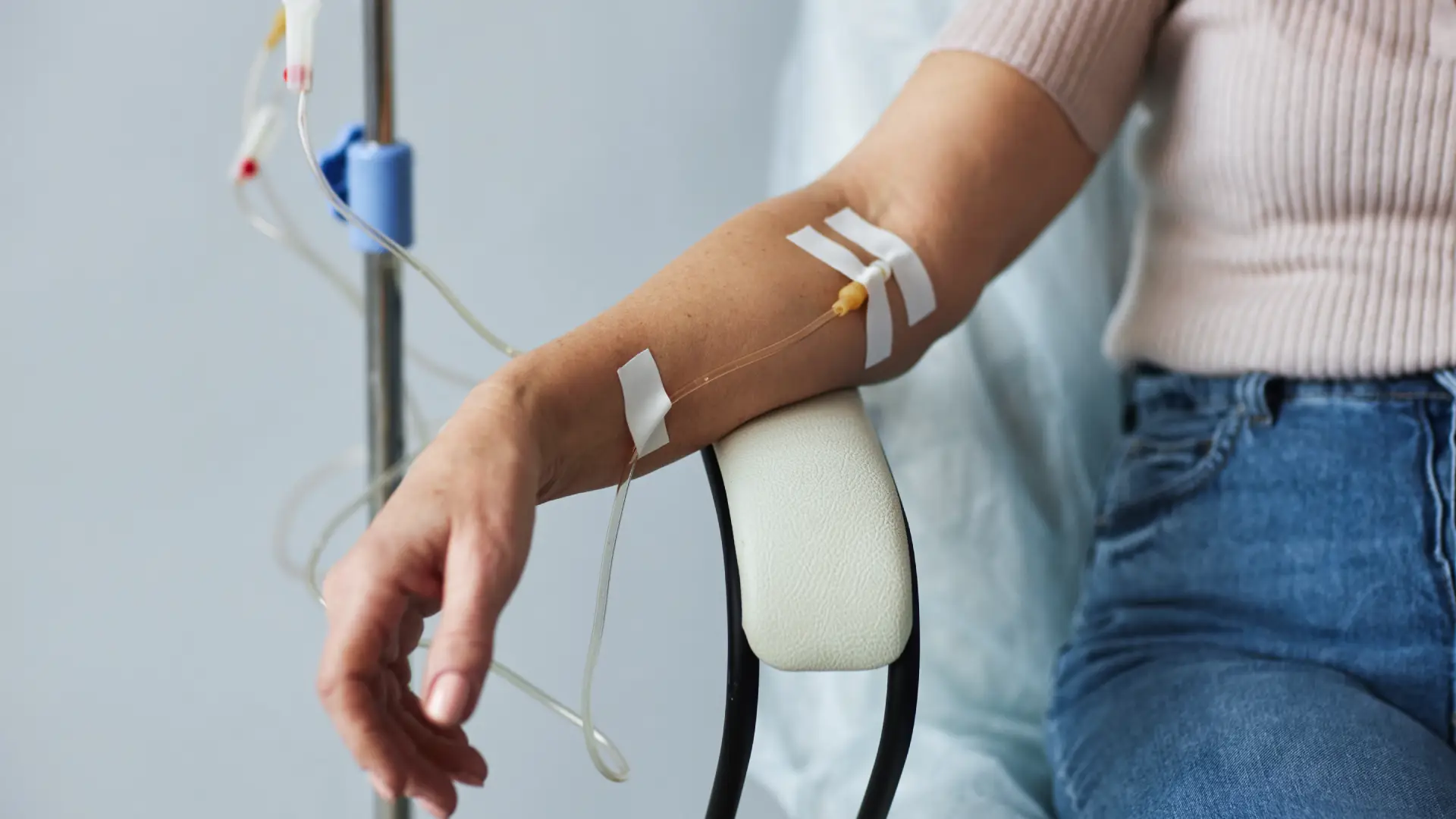
Chemotherapy is most often given intravenously. When some drugs require long-term intravenous administration, devices called a “port” or “catheter” that deliver the drug directly into a main vein may be used. The methods can be summarized as:
- Intravenously: the most common method; given in an infusion over set periods
- By mouth (oral): as tablets or capsules, usually taken at home
- Regionally: into specific areas such as the abdominal cavity, the lining of the lungs or the bladder
Oral chemotherapy drugs are as important as intravenous ones; missed or incorrect use can harm the treatment process. It is therefore necessary to follow the doctor’s instructions on how and when to take the drugs. Chemotherapy drugs should be given in a well-equipped oncology center under the supervision of a medical oncologist.
For long and frequent chemotherapy treatments, a small device called a port can be placed under the skin to avoid the difficulty of finding a vein at each session. The port allows drugs to be delivered safely into a main vein and improves comfort during treatment. Which method is suitable depends on the drug used and the treatment plan.
Intravenous chemotherapy drugs are usually given in an infusion over various periods. Patients with long treatment courses may occasionally need hospital admission. Close monitoring throughout the process is important for recognizing and managing possible side effects early.
How Many Cycles Does Chemotherapy Take, and How Long Does It Last?
Chemotherapy is usually given in cycles: the drug is given for a certain period, followed by a rest period for the body to recover. The interval between cycles is usually 3 or 4 weeks; some schedules involve weekly or every-two-weeks administration. The total number of cycles depends on the type and stage of cancer and the response to treatment.
The length of a single chemotherapy session can range from a few minutes to several days, depending on the drug used and whether drugs are given alone or in combination. The most important point about timing is that cycles are kept as regular as possible, as far as side effects allow. The session schedule is therefore planned on the doctor’s recommendation. For more detail, see how many chemotherapy cycles are needed.
Chemotherapy Drugs and Types
The drugs used in chemotherapy vary. Some are classic chemotherapeutic drugs that act directly on the tumor; others are hormones, targeted “smart” drugs and biological drugs that strengthen the immune system. The drugs spread throughout the body through the blood and act on the building blocks of tumor cells, preventing their growth.
| Approach | How it works | Administration |
|---|---|---|
| Classic chemotherapy | Directly targets rapidly dividing cells | Intravenous or oral |
| Targeted smart drugs | Bind to the cancer cell’s growth receptors | Tablet or intravenous |
| Immunotherapy | Directs the immune system at cancer cells | Infusion, periodically |
| Hormone therapy | Suppresses hormonal signals in hormone-sensitive tumors | Tablet or injection |
The existence of targeted smart drugs and immunotherapies does not completely replace classic chemotherapy; in some cancer types these methods can be given together. Which drug or combination is suitable is assessed according to the tumor’s features and the patient’s condition.
Targeted smart drugs bind to the cancer cell’s growth receptors and prevent the tumor from receiving growth signals. Side effects such as nausea and hair loss are mostly more controllable. These drugs can be used in many cancer types, including brain, head and neck, lung, stomach, breast, kidney and prostate cancer.
Immunotherapies support the fight against disease by directing the person’s own immune system at cancer cells. They are usually given as an infusion at set intervals. For some patients who cannot have surgery, molecular treatments that aim to extend survival and preserve quality of life are also among the options that may be considered. The suitability of all these approaches depends on the features of the tumor and the patient.
What Are the Side Effects of Chemotherapy?
Because chemotherapy can also affect rapidly dividing healthy cells, it can cause some side effects. The type and severity of side effects vary with the drug, dose, stage of cancer and the patient’s immune system. Not every patient experiences the same side effects; some patients complete the process without notable problems.
- Nausea and vomiting
- Weakness and fatigue
- Hair loss
- Mouth sores (mucositis)
- Susceptibility to infection and weakened immunity
- Loss of appetite, diarrhea or constipation
- Numbness in the hands and feet, changes in skin and nails
Nausea and Vomiting
Nausea and vomiting arise because some drugs affect the vomiting center in the brain and stomach movements. They can generally be controlled; anti-nausea medicines given before chemotherapy reduce this effect. Cold or room-temperature foods, small and frequent meals, slowly sipped fluids and avoiding strong-smelling foods can bring relief.
Some practical tips to reduce nausea:
- Choose cold or room-temperature foods, as the smell of hot food can increase nausea
- Drink fluids slowly, in small sips
- Avoid sweet, fatty and very spicy foods
- Stay away from your favorite foods during periods of heavy nausea
- Keep up regular mouth care and use a mouthwash when needed
- See a doctor if nausea and vomiting last several days and you cannot keep anything down
Hair Loss
Hair loss usually begins about 2-3 weeks after the first treatment and is one of the common side effects of chemotherapy. It is mostly temporary; hair starts to grow back after treatment ends. Not all chemotherapy drugs cause hair loss; the doctor will explain whether the drug to be used has this effect.
Infection and Immunity
During chemotherapy, immunity may weaken and the risk of infection increases. It is important to avoid crowded places, take care with daily hygiene and inform the doctor when fever reaches 38 °C (100.4 °F) or higher. Live vaccines should not be given during chemotherapy.
Weakness and Fatigue
Weakness and fatigue are common complaints during chemotherapy. Planning daily activities well, light walking and exercise, coping with pain and mood, and drinking plenty of fluids can help manage these complaints. It is advisable to consult the doctor when fatigue markedly affects daily life.
Mouth Sores (Mucositis)
Chemotherapy can cause redness and sores (mucositis) in the mouth, throat and gums. Patients who will receive high-dose chemotherapy are therefore advised to complete dental and gum treatment beforehand. Using a soft toothbrush, rinsing with warm baking-soda water after every meal and avoiding hard and crusty foods help manage mouth problems.
Bleeding and Low Platelets
Chemotherapy drugs, rarely when used at high doses, can reduce the number of platelets that help blood clot, which can increase the tendency to bleed. See a doctor if there are small red spots on the skin, bruising, or blood in the urine or stool. During this period it is advisable not to take painkillers without consulting the doctor and to clean teeth with a soft brush.
Skin and Nail Changes
During chemotherapy, redness, itching, dryness and color changes may appear on the skin, and nails may become brittle and ridged. Most of these changes are not significant and subside some time after treatment ends. Avoiding excessive sun, choosing short, lukewarm baths and using a moisturizer after bathing support skin health.
Numbness in the Hands and Feet
Some chemotherapy drugs can affect the nervous system and cause numbness, burning and tingling in the hands and feet, especially the fingers and toes. These effects generally lessen over time after the drug is stopped; in some patients they may continue for a while. If symptoms persist, a doctor should be consulted. For a full account, see chemotherapy side effects.
Nutrition During Chemotherapy
Balanced nutrition during chemotherapy supports adherence to treatment and can help manage side effects. It is important to watch your weight, get enough protein and maintain fluid balance. Avoiding processed meat products, long-shelf-life ready meals and very sugary foods, and eating seasonal vegetables and fruit, are generally recommended.
The nutrition plan should be adapted to the person. At ONCOMSI, nutrition is treated as an integral part of the treatment process. When a metabolic approach is adopted, the diet is planned under the supervision of the doctor and dietitian. For more, see the Ketogenic Diet page and nutrition during chemotherapy.
For patients receiving chemotherapy, daily nutrition should generally include the following food groups in balance:
- Vegetables and fruit
- Protein sources such as meat, chicken, fish and eggs
- Grains
- Milk and dairy products
- Enough fluids (other than tea and coffee)
With adequate and balanced nutrition, extra vitamins are mostly unnecessary; in fact, some vitamin and antioxidant supplements may not be appropriate during chemotherapy. It is therefore important to consult your doctor before using any supplement. Getting support from a specialist experienced in nutrition during chemotherapy helps the process go more smoothly.
What Should Patients Receiving Chemotherapy Watch For?
Because immunity weakens during chemotherapy, the patient becomes more vulnerable to infections. The measures that can be taken during this period both reduce the risk of infection and help treatment go more smoothly.
- Avoid spending too much time in crowded places
- Shower daily and take care with general hygiene
- Keep a thermometer at home; inform the doctor if your temperature is 38 °C (100.4 °F) or higher
- Be careful not to cut yourself when shaving and similar tasks
- Do not have live vaccines during chemotherapy
- See a doctor if you have burning on urination, cough, mouth or throat pain, or redness around the catheter
How Is the Chemotherapy Dose Determined?
The dose, duration and frequency of chemotherapy drugs are set by the medical oncologist, taking into account the type of tumor, how far it has spread, the patient’s age, general health and other existing conditions. The dose and frequency can be changed over time according to the response to treatment and side effects.
The most important principle in dose adjustment is that treatment is kept as regular as possible, as far as side effects allow. When treatment intervals are unnecessarily extended, effectiveness may decrease. In ONCOMSI’s metabolic approach, by giving chemotherapy together with supportive treatments, fewer side effects can be aimed for below the standard dose; this assessment is made individually for each patient.
Chemotherapy, Sexual Life and Fertility
Sexual life does not have to stop during cancer treatment; some patients may experience changes in sexual desire, which usually improve after treatment. Specialist support can be sought when needed to address misconceptions between partners, such as the mistaken belief that cancer is “contagious.”
Chemotherapy can affect fertility. In men, it can reduce sperm count and cause temporary or permanent infertility, so sperm freezing may be considered before treatment. In women, ovarian reserve and hormonal balance may be affected, and menstrual cycles may change. Contraception is recommended during chemotherapy, and the doctor should be consulted on the choice of method. Decisions on these matters are always made after individual assessment.
Chemotherapy at ONCOMSI: Aiming for Fewer Side Effects
At ONCOMSI, chemotherapy is considered within the framework of Metabolically Controlled Oncologic Therapy (MCOT) led by Assoc. Prof. Mehmet Salih İyikesici. Standard chemotherapy drugs are also at the core of this approach; the difference is that chemotherapy is given on a metabolic foundation, together with supportive treatments. The aim is to achieve more effective results below the standard dose and to reduce side effects.
In the MCOT protocol, chemotherapy can be given together with a ketogenic diet, hyperthermia and hyperbaric oxygen therapy. The scientific basis of this integrative approach rests on Assoc. Prof. İyikesici’s studies published in international peer-reviewed journals. For details, see Metabolically Controlled Oncologic Therapy (MCOT), Hyperthermia and Hyperbaric Oxygen Therapy (HBOT).
In this approach, when chemotherapy is given together with hyperthermia (heat treatment), the aim is to support its effect on cancer cells. Hyperbaric oxygen therapy is intended to contribute to this process by raising oxygen levels in tissues. The ketogenic diet forms the metabolic foundation of the protocol by regulating the body’s energy metabolism. All these components are combined into a single plan under the direction of the medical oncologist.
The core principle of ONCOMSI’s approach is that patients should never be left without support during treatment and should be supported at every stage with a science-based, personalized roadmap. Chemotherapy is an important part of this roadmap, but it is considered within an integrative framework rather than on its own. For how chemotherapy is given at a reduced dose within this framework, see reduced-dose chemotherapy.
Scientific Evidence
In studies led by Assoc. Prof. İyikesici, giving chemotherapy within a metabolically controlled protocol together with a ketogenic diet, hyperthermia and hyperbaric oxygen therapy has been reported to produce encouraging results in various cancer types. These results are cited for scientific reference and do not guarantee individual outcomes.
- In advanced gastric cancer, a study reported a mean overall survival of 39.5 months with the metabolically controlled oncologic therapy protocol (İyikesici MS. Niger J Clin Pract. 2020;23(5):734-740). With standard triplet chemotherapy, this is reported in the range of 9-15 months.
- In metastatic pancreatic cancer, a study reported a median overall survival of 15.8 months with the same protocol (İyikesici MS. Complement Med Res. 2020;27(1):31-39. PMID 31527373).
- In metastatic non-small cell lung cancer, a feasibility study of 44 patients reported an overall response rate of 61.4% (İyikesici MS. Int J Hyperthermia. 2019;36(1):446-455. PMID 30931666).
- In the most recent publication, a 2026 case report of drug-resistant advanced pancreatic cancer (İyikesici MS. Curr Oncol. 2026;33(8):489. PMID 42645394), each drug was given at no more than half its conventional dose, and treatment-related side effects were limited to Grade 1 nausea, Grade 1 vomiting and a fall in platelet count.
These studies reflect results assessed when chemotherapy is given not on its own but together with integrative treatment methods within metabolically controlled oncologic therapy. Each patient’s situation is individual.
Similarly, a study of patients with stage II-IV rectal cancer reported one- and two-year overall survival rates of 95% and 80%, respectively, with the metabolically controlled oncologic therapy protocol (İyikesici MS. Arch Clin Exp Med. 2020;5(1):16-20). In this study, surgery could be performed after complete response in about half of the patients.
These results are data obtained in advanced cancer when chemotherapy is given not on its own but on a metabolic foundation together with a ketogenic diet, hyperthermia and hyperbaric oxygen therapy. The results belong to the relevant patient groups and do not guarantee individual outcomes. How chemotherapy is planned is therefore assessed separately for each patient. For the list of publications, see the academic publications page.
Who Is Chemotherapy Suitable For?
Whether chemotherapy is suitable is assessed by the medical oncologist according to the type and stage of cancer, the patient’s age, general health and other conditions. Chemotherapy is the only treatment option in some situations and is planned together with surgery and radiotherapy in others.
Determining the right treatment approach always requires an individual assessment. At ONCOMSI, this assessment takes into account the patient’s tumor profile and quality of life.
For patients who regularly take medicines for chronic conditions, using heart, blood pressure, diabetes or similar medicines during chemotherapy is not a problem in most cases. However, it is important for the patient to discuss these medicines with their doctor and follow their guidance. When the treatment plan is created, the patient’s full health picture is assessed as a whole.
What Is the Difference Between Chemotherapy and Radiotherapy?
Chemotherapy and radiotherapy are two different methods commonly used in cancer treatment, and they work in different ways. Chemotherapy is a systemic treatment in which drugs spread throughout the body through the blood; it can therefore reach cancer cells that have spread to other parts of the body. Radiotherapy is a local (regional) treatment in which high-energy rays are focused on a specific area.
These two methods do not have to be alternatives to each other. Depending on the type and stage of cancer, chemotherapy and radiotherapy can be given one after the other or at the same time. Which method or combination is suitable is determined by the medical oncologist’s assessment. In ONCOMSI’s integrative approach, these methods are brought together within a single treatment plan when needed.
Reduced-Dose and Standard Chemotherapy
The dose of chemotherapy is an important factor that affects both the effectiveness of treatment and the severity of side effects. In standard chemotherapy, drugs are given according to a set dose schedule; high doses can be effective but may cause more marked side effects. At this point, “how can I be treated with fewer side effects?” becomes a priority question for many patients and their families.
In the Metabolically Controlled Oncologic Therapy approach adopted at ONCOMSI, chemotherapy is given on a metabolic foundation together with supportive treatments. With this approach, the aim is to achieve effective results below the standard dose with fewer side effects. Whether this method suits a patient is assessed individually according to the type and stage of cancer and the patient’s general condition. For the scientific basis, see Metabolically Controlled Oncologic Therapy (MCOT). For common misconceptions about chemotherapy, see chemotherapy myths and facts.
The Patient Journey at ONCOMSI
At ONCOMSI, the chemotherapy process is carried out on the principle of being with the patient at every step from diagnosis to recovery. The process generally consists of these stages:
- Initial consultation and assessment: medical history, tests and tumor profile are reviewed.
- Personalized treatment plan: the medical oncologist creates a roadmap that includes chemotherapy and any necessary supportive treatments.
- Treatment: chemotherapy cycles are given, together with metabolically controlled oncologic therapy methods when needed.
- Side-effect management: side effects are monitored throughout and the patient’s quality of life is protected.
- Follow-up: the continuity of the process is maintained with regular follow-up after treatment.
After Chemotherapy: The Process and Follow-Up
Regular follow-up continues after chemotherapy is completed. During this period, the easing of side effects is monitored, the response to treatment is assessed with the necessary tests, and the patient’s general health is watched. Temporary side effects such as hair loss reverse after treatment; some effects may take a few months to go away completely.
The period after treatment is important for the patient’s gradual return to social life and daily routine. The process tends to go more smoothly for patients who follow their doctor’s advice on nutrition and sleep and do not miss regular check-ups. At ONCOMSI, follow-up is planned on the principle that the patient is never left alone at any step from diagnosis to recovery.
During chemotherapy, patients are encouraged to continue their daily lives without withdrawing from society and to spend time with their families and loved ones, for both psychological and general health reasons. This approach is the foundation of ONCOMSI’s patient-centered understanding of treatment.
Chemotherapy Treatment in Istanbul
ONCOMSI is an international medical oncology center based in Istanbul, Turkey. It carries out the chemotherapy process with an integrative approach, in a well-equipped setting and under the supervision of a medical oncologist. Istanbul’s transport links make it easy to reach our center for patients from within Turkey and from abroad.
For patients planning treatment from abroad, the process is coordinated separately. For information on our international patient services, visit the international patients page; for the process in detail, see chemotherapy treatment in Turkey, or request an appointment.
At ONCOMSI, the chemotherapy process is carried out by Assoc. Prof. Mehmet Salih İyikesici and his specialist team with years of experience. Being an integrative center that can offer metabolically controlled oncologic therapy methods alongside medical oncology is the main feature that sets ONCOMSI apart for patients looking for chemotherapy in Istanbul. Treatment decisions are always based on science and individual assessment.
Frequently Asked Questions
What kind of treatment is chemotherapy?
Chemotherapy is the treatment of cancer with drugs. The drugs damage cancer cells by preventing them from growing and multiplying. They can be given alone or in combination to increase the effect.
How is chemotherapy given?
Most often intravenously. It can also be given by mouth as tablets or regionally into specific areas such as the abdominal cavity, the lining of the lungs or the bladder. A port or catheter may be used for long-term intravenous treatment.
How many cycles does chemotherapy take?
Chemotherapy is given in cycles, usually 3 or 4 weeks apart. The total number of cycles is set by the medical oncologist according to the type and stage of cancer and the response to treatment.
How many hours does one chemotherapy session take?
The length of a session can range from a few minutes to several days, depending on the drug used and whether drugs are given in combination. The time is planned according to the treatment schedule.
Does chemotherapy hurt?
Giving chemotherapy drugs into a vein is generally not painful. The side effects that may arise vary from patient to patient and are largely manageable. Tell the doctor if there is pain or redness at the vein or catheter site.
When do chemotherapy side effects go away?
Most side effects are temporary and lessen over time after treatment ends. For example, hair grows back after treatment. Some nervous-system effects may continue for a while after the drug is stopped; consult a doctor if symptoms persist.
Does chemotherapy lower immunity?
Chemotherapy can temporarily weaken the immune system and increase the risk of infection. During this period, it is important to take care with hygiene, avoid crowded places and see a doctor if fever rises.
Can I have vaccines during chemotherapy?
Live vaccines should not be given during chemotherapy. Always ask your doctor which vaccines are appropriate.
Can chemotherapy be given at home?
Some oral chemotherapy tablets can be taken at home. However, these drugs must also be taken according to the doctor’s instructions; intravenous chemotherapy is given in a well-equipped oncology center.
What is the most intensive chemotherapy?
The most intensive treatments are high-dose chemotherapy given in advanced stages of cancer and, when needed, bone marrow transplantation. These methods are effective against cancer cells but can cause more marked side effects.
Can I work during chemotherapy?
Many patients can continue their daily and working lives during treatment. This depends on the drug used, side effects and the patient’s general condition. Maintaining social life is encouraged for psychological and general health.
Can herbal products be used during chemotherapy?
Some herbal products can interact with chemotherapy drugs, reduce the effectiveness of treatment or increase its side effects. You should therefore always tell your doctor before using any herbal product or supplement.
Does reduced-dose chemotherapy cause fewer side effects?
Dose is an important factor in the severity of side effects. In the metabolically controlled approach adopted at ONCOMSI, giving chemotherapy on a metabolic foundation together with supportive treatments aims for fewer side effects below the standard dose. Suitability is assessed individually for each patient.
Is chemotherapy enough on its own?
In ONCOMSI’s approach, chemotherapy, radiotherapy or surgery alone is not enough in most cases. The most favorable outcome is aimed for with a personalized, integrative treatment plan led by the medical oncologist.
Appointments and Contact
ONCOMSI is an international medical oncology center based in Istanbul, Turkey. The chemotherapy process is carried out by Assoc. Prof. Mehmet Salih İyikesici and his specialist team with an integrative approach within the framework of Metabolically Controlled Oncologic Therapy (MCOT). You can arrange an initial consultation to assess whether chemotherapy is suitable for you and how it should be planned.
To learn about the treatment process, appointments and assessment, reach us through the contact page. For patients planning treatment from abroad, the process is coordinated separately; for details, see the international patients page.
This page is for informational purposes only. Please consult your doctor for diagnosis, treatment, and personal health decisions.