Immunotherapy
Immunotherapy is a cancer treatment method that helps the body fight cancer by enabling the immune system to recognize and attack cancer cells. At ONCOMSI in Istanbul, immunotherapy is planned under the supervision of a medical oncologist, with a roadmap personalized to the patient’s cancer type.
İçindekiler
ToggleOne of the most researched approaches in cancer treatment in recent years, immunotherapy uses the body’s own defense system. Because it generally causes fewer side effects than chemotherapy and targeted therapies and can produce long-lasting responses in some patients, it has become an important option in many cancer types. On this page you will find what immunotherapy is, how it works, its types, which cancers it is used for, its side effects and ONCOMSI’s integrative approach.
Immunotherapy can be used on its own or together with chemotherapy, radiotherapy or other treatment methods. Which approach is chosen depends on the patient’s diagnosis, the stage of the disease and general health. The immunotherapy decision therefore requires a personalized assessment led by the medical oncologist.
What Is Immunotherapy?
Immunotherapy is a treatment that uses certain parts of a person’s immune system to fight cancer. The immune system is a complex structure made up of the spleen, thymus, bone marrow, white blood cells, tissues and proteins, and it tries to protect the body against cancer development as well as infections.
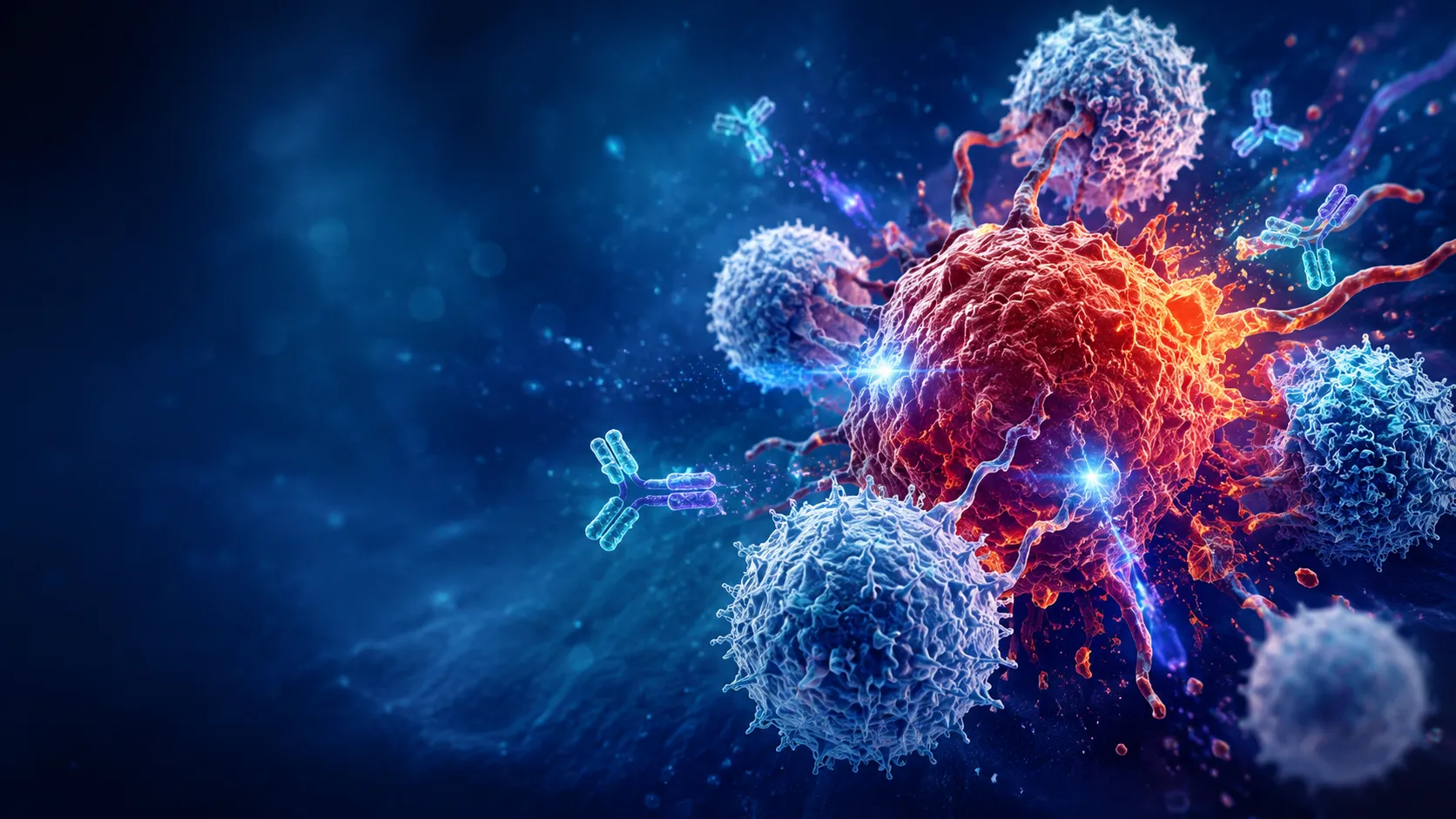
The human body has many cells that fight cancer. T cells, known as the “soldier cells” of the immune system, destroy cancerous cells to a large extent. In fact, abnormal cells form in all our bodies from time to time, and the immune system notices and eliminates most of them. However, some cancer cells hide from the immune system and suppress this defense through genetic changes or the proteins they carry on their surface. This is exactly where immunotherapy comes in: by removing the suppression on the immune system, it redirects cancer-fighting cells back to the cancer tissue.
The key difference between immunotherapy and other cancer treatments is that its target is not the tumor directly but the body’s defense system. While chemotherapy acts directly on cancer cells, immunotherapy aims to reorganize the immune system so that the body can control cancer with its own resources. This matters because the immune system’s effect may continue even after treatment ends.
One of the main challenges of chemotherapy and targeted therapies is that responses are not lasting. Immunotherapy, by creating a kind of memory in the immune system, especially in T cells, can produce longer-lasting responses in some patients. This memory means that once the immune system has recognized a cancer cell, it can recognize it again later, and it is one of the most important features that sets immunotherapy apart from other treatments.
Although immunotherapy may seem like a new idea, its foundations go back to the 1950s, when the relationship between the immune system and cancer began to be studied. To the classic cancer treatments of surgery, radiotherapy and chemotherapy, a new generation of treatments called immune checkpoint inhibitors has been added. The Japanese scientist Tasuku Honjo and the American scientist James P. Allison were awarded the 2018 Nobel Prize in Physiology or Medicine for their discoveries on immune checkpoint inhibition, which enables the immune system to attack cancer cells. These discoveries paved the way for effective immunotherapy drugs in many cancers, especially melanoma and lung cancer.
How Does Immunotherapy Work Against Cancer?
The immune system naturally defends the body against cancer cells. However, some cancer cells can hide from the immune system and continue to grow and spread. Immunotherapy helps the immune system fight cancer cells more effectively by:
- Weakening cancer cells’ ability to evade the immune system.
- Making it easier for the immune system to recognize and target cancer cells.
- Disabling the brake mechanisms (checkpoints) that suppress the response to cancer cells.
- Increasing immune cells’ attack on cancer tissue.
The key molecules in this mechanism are PD-1, PD-L1 and CTLA-4. The immune response against cancer happens in two stages. In the first stage, the cancer cell is presented to the immune system, usually in the lymph node closest to the tumor. During this presentation, a molecule called CTLA-4 can put the brakes on the process. In the second stage, T lymphocytes, the soldier cells, are directed to the cancer cells; but when the PD-L1 produced by the cancer cell binds to the PD-1 receptor on the surface of T cells, this attack is blocked and the cancer cell escapes the defense.
Some immunotherapy drugs act exactly at this point: by cutting the link between CTLA-4, or between PD-1 and PD-L1, they release the immune system’s brake and allow T cells to attack cancer cells again. This approach differs from classic treatments in that it reactivates the natural strength of the immune system rather than targeting the cancer cell directly.
What Are the Types of Immunotherapy?
Immunotherapy is not a single treatment but a group of treatments that support the immune system in different ways. Because the same drug may act in more than one way, it may be known by different names. The main types are listed below; for more detail, see types of immunotherapy.
Checkpoint Inhibitors
They target the immune system’s natural “brake” mechanisms. Cancer cells use these checkpoints to hide from the immune system; checkpoint inhibitors remove this brake so that T cells can attack cancer cells again. Today this is the first approach that comes to mind when cancer immunotherapy is mentioned.
Monoclonal Antibodies
These are laboratory-made molecules that mimic natural antibodies. They recognize and bind to specific proteins on the surface of cancer cells and help the immune system attack cancer. Most checkpoint inhibitors are monoclonal antibodies in structure.
Cancer Vaccines
They are designed to help the immune system recognize proteins on specific cancer cells, so that the immune system targets these cells. For example, in some patients with melanoma (skin cancer), a modified virus-based approach multiplies in cancer cells, helping destroy them and stimulating the immune response.
Cytokines
These are proteins that play a role in strengthening the immune system. Synthetic versions of cytokines such as interferon are used to treat some types of cancer.
CAR-T Cell Therapy
T cells taken from the patient or a suitable donor are genetically modified in the laboratory and equipped with receptors that can bind directly to cancer cells and destroy them. These cells are then given back to the patient. It is a method used especially in some patients with leukemia and lymphoma.
Which Cancers Is Immunotherapy Used For?
Immunotherapy first began to be used in the treatment of melanoma (skin cancer) in 2011, and its use then expanded rapidly. Today it is an important option in many cancer types, especially in advanced and metastatic disease. The cancers in which it is commonly considered include:
- Melanoma and other skin cancers (Merkel cell carcinoma, squamous cell carcinoma)
- Non-small cell lung cancer and small cell lung cancer
- Kidney and bladder cancer
- Head and neck cancers
- Stomach, esophageal and liver cancer
- Triple-negative breast cancer, cervical cancer and Hodgkin lymphoma
In some of these cancer types, immunotherapy stands out in particular ways. In melanoma, immunotherapy is one of the first applications in this field and can be used both in advanced disease and in some early-stage situations. In non-small cell lung cancer, immunotherapy can be an important part of the treatment plan in suitable patients. In kidney and bladder cancers, head and neck cancers and stomach and esophageal cancers, immunotherapy is an increasingly considered option. In types such as triple-negative breast cancer and Hodgkin lymphoma, immunotherapy may be added to treatment under certain conditions. For each cancer type in detail, see which cancers immunotherapy is used for.
This list is growing over time because research on immunotherapy continues. A cancer type appearing on this list does not mean immunotherapy will be given to every patient with that diagnosis. The decision is always based on individual assessment.
Whether immunotherapy is suitable for a patient depends on the type and stage of the cancer as well as on certain tests of the tumor tissue. Biomarkers such as PD-L1, MSI (microsatellite instability) and TMB (tumor mutational burden) guide the assessment of how likely a patient is to respond to immunotherapy. For example, the response to immunotherapy may be more pronounced in some tumors with microsatellite instability. Only the medical oncologist decides which type of immunotherapy is right for which patient, considering these biological markers and the course of the disease together.
The same drug does not have the same effect in every patient. In biological therapies, so to speak, the key has to fit the lock: correctly identifying the subgroups of patients in whom treatment may work is critical both for treatment success and for avoiding unnecessary side effects. The assessment before immunotherapy is therefore as important as the treatment itself.
How Is Immunotherapy Given and How Long Does It Last?
Immunotherapy can be given in different ways depending on the cancer type and the drug chosen:
- Intravenously: the most common route; the drug is given as an infusion into a vein.
- By mouth (oral): taken as a pill or capsule.
- Locally (topical): can be used as a cream in some very early-stage skin cancers.
- Into the bladder (intravesical): given directly into the bladder.
The frequency and length of treatment vary with the cancer type, the drug used, how the disease responds and any side effects. Commonly used checkpoint inhibitors are usually given in cycles a few weeks apart and may continue for up to 2 years in some patients. The response to immunotherapy is not assessed as early as with chemotherapy; 3-4 months are often allowed before the first response assessment, because the inflammatory response in the first weeks can make the tumor temporarily look larger.
What Are the Side Effects of Immunotherapy?
Most side effects of immunotherapy arise because the immune system, activated against cancer, also affects healthy tissues and cells. Most side effects are mild and lessen as the body adapts to treatment. The main side effects that may occur are:
- Flu-like symptoms: fever, chills, muscle aches and weakness.
- Fatigue: a common and generally temporary condition that can affect daily activities.
- Skin reactions: rash, itching, redness at the injection site.
- Digestive problems: diarrhea, nausea, loss of appetite.
- Breathing symptoms: cough, shortness of breath.
- Autoimmune reactions: conditions such as colitis, hepatitis or thyroid disorders.
Side effects common with chemotherapy, such as hair loss, nausea and marked drops in blood counts, are generally less common with immunotherapy. This helps preserve quality of life during treatment for many patients receiving immunotherapy.
Even so, it is important to recognize and manage autoimmune side effects early. When side effects of immunotherapy appear, most can be brought under control if intervention comes at the right time and in the right way. The immunotherapy process therefore requires close medical follow-up: if a side effect is severe, treatment may be paused temporarily, the dose adjusted or supportive treatments added. It is very important for patients to report the symptoms they experience during treatment to the team in time so that the process proceeds safely. For a detailed account, see immunotherapy side effects.
What Is the Difference Between Immunotherapy and Chemotherapy?
The main difference between immunotherapy and chemotherapy is how they target cancer cells. Chemotherapy uses drugs that are directly toxic to rapidly dividing cells and can harm some healthy cells in the process. Immunotherapy, instead of targeting cancer cells directly, stimulates the immune system to recognize and fight cancer.
Because of this difference in mechanism, immunotherapy generally has a different and, in most patients, milder side-effect profile than chemotherapy. The medical oncologist decides which treatment or combination is appropriate according to the type and stage of the disease. In many cases immunotherapy can also be given together with chemotherapy or radiotherapy. For a detailed comparison, see immunotherapy vs chemotherapy.
Immunotherapy Drugs and How They Are Chosen
Immunotherapy drugs are divided into groups according to the molecules they act on. Checkpoint inhibitors are the most widely used members of this group and act through PD-1, PD-L1 or CTLA-4. When choosing a drug, the type and stage of the cancer, previous treatments and biomarker results are considered together. This assessment aims to maximize both the effectiveness and the safety of treatment. The choice of immunotherapy drug depends entirely on the patient’s diagnosis and biomarker results; a drug that suits one patient may not suit another. For the drug groups in detail, see immunotherapy drugs.
Is Immunotherapy Given Alone or in Combination?
Immunotherapy is given alone in some situations and together with other treatments in others. The treatment plan depends entirely on the patient’s diagnosis and the course of the disease. Common approaches include:
- Immunotherapy alone: in some cancer types and in patients with a suitable biomarker profile, immunotherapy may be preferred on its own.
- Immunotherapy and chemotherapy together: in some patients the two treatments are given together to support each other.
- Two different immunotherapy drugs together: in certain situations, two different checkpoint inhibitors may be used together.
- Immunotherapy and radiotherapy: in some treatment plans, immunotherapy is considered together with radiotherapy.
Which combination is chosen depends on the balance between the expected benefit and possible side effects. This decision is made by the medical oncologist, who assesses the patient as a whole.
How Is the Response to Immunotherapy Assessed?
With immunotherapy, the response is assessed on a different timeline from the one familiar with chemotherapy. In the first weeks of treatment, the tumor can temporarily look larger on imaging because of the intense inflammatory response created by the immune system. This does not always mean the treatment is not working.
For this reason, 3-4 months are often allowed before the first response assessment. Response is assessed by considering imaging, the patient’s general condition and, when needed, laboratory results together. In some patients who respond well, immunotherapy can help keep the disease under control for a long time. Assessing the response and updating the treatment plan when needed are integral parts of the process.
Advantages of Immunotherapy and Points to Consider
Although immunotherapy offers important possibilities for many patients, like any treatment it has certain limits and aspects that need attention. Forming realistic expectations is an important part of preparing for treatment.
Key strengths: the possibility of long-lasting responses in some patients thanks to the memory formed in the immune system, a milder side-effect profile than chemotherapy in most patients, and its contribution to preserving quality of life during treatment are among immunotherapy’s key strengths. Its ability to be combined with other treatment methods also adds flexibility to the treatment plan.
Points to consider: immunotherapy does not have the same effect in every cancer type and every patient; suitability should be assessed with biomarker tests. Assessing the response can take time, and serious autoimmune side effects may rarely occur. Treatment should therefore be carried out by an experienced team with close follow-up. Immunotherapy alone may not be enough in every situation, so it is important to consider it within an integrative treatment plan.
Immunotherapy at ONCOMSI: An Integrative Approach
At ONCOMSI, immunotherapy is considered not as a stand-alone procedure but as part of an integrative treatment roadmap. The medical oncologist is the conductor of the process, coordinating every step from diagnosis to treatment and follow-up. Suitability for immunotherapy is assessed with biomarker tests, and when needed it is planned together with other treatment methods.
In ONCOMSI’s approach, immunotherapy can be positioned together with methods such as Metabolically Controlled Oncologic Therapy (MCOT), the ketogenic diet, hyperthermia and hyperbaric oxygen therapy, in a way that strengthens the patient’s general condition. The aim is to design a more effective treatment process with fewer side effects, tailored to the patient. Every stage of treatment is carried out by Assoc. Prof. Mehmet Salih İyikesici and the specialist team with an evidence-based, measured approach.
This integrative perspective is the result of an understanding that focuses treatment not only on the disease but on the patient as a whole. Where chemotherapy, radiotherapy or surgery alone is not always enough, bringing different treatment methods together in the right order and with the right timing becomes important. Immunotherapy is also considered within this framework, together with other approaches that support the patient’s immune system.
The core principle at ONCOMSI is that patients are never left alone at any step from diagnosis to recovery. During treatment, the patient is seen as an individual, not a statistic, and decisions are made together with them. This approach aims to support both the effectiveness of treatment and the patient’s trust in the process.
The Patient Journey: From First Consultation to Follow-Up
At ONCOMSI, the immunotherapy process follows steps that see the patient as an individual:
- Initial consultation and assessment: the diagnosis, stage and existing reports are reviewed, and the patient’s general condition is assessed.
- Biomarkers and suitability: when needed, suitability for immunotherapy is determined with tests such as PD-L1, MSI or TMB.
- Personalized plan: immunotherapy is planned alone or together with other treatment methods.
- Treatment: treatment is given in cycles under medical supervision and side effects are monitored closely.
- Follow-up: response assessments are carried out; the patient is never left alone throughout the process.
Immunotherapy in Istanbul
Istanbul is one of Turkey’s leading centers for access to advanced cancer treatments, including immunotherapy. As an international medical oncology center based in Istanbul, ONCOMSI offers immunotherapy within an integrative framework. For patients from within Istanbul and from abroad, travel and process planning are addressed from the first consultation. For the process in detail, see immunotherapy in Turkey, or contact ONCOMSI for an immunotherapy assessment and appointment in Istanbul.
Frequently Asked Questions
What is immunotherapy?
Immunotherapy is a cancer treatment method that enables the immune system to recognize and attack cancer cells. By preventing cancer cells from hiding from the immune system, it helps the body fight cancer with its own defenses.
How is immunotherapy given?
It is most commonly given intravenously (as an infusion). It can also be given as a pill by mouth, as a cream on the skin (topical) or directly into the bladder (intravesical). The route depends on the cancer type and the drug chosen.
What are the side effects of immunotherapy?
The most common side effects are fatigue, flu-like symptoms, skin reactions and digestive problems. Less often, autoimmune reactions such as colitis, hepatitis or thyroid problems may occur. Most side effects can be managed with medical follow-up.
What is the difference between immunotherapy and chemotherapy?
Chemotherapy is directly toxic to cancer cells, while immunotherapy stimulates the immune system to recognize and fight cancer. As a result, immunotherapy generally has a different and, in most patients, milder side-effect profile than chemotherapy.
Which cancers is immunotherapy used for?
It is used in many cancer types, including melanoma, lung, kidney, bladder, head and neck, stomach, esophageal and liver cancers, as well as triple-negative breast cancer, cervical cancer and Hodgkin lymphoma. Suitability is determined by cancer type, stage and biomarker results.
At what stage is immunotherapy used?
Immunotherapy is mostly used in advanced (stage 3 and 4) and metastatic cancers or when standard treatment has not worked. In recent years it has also been used together with chemotherapy in some early-stage cancers.
How long does immunotherapy last?
The length depends on the cancer type, the drug used and the response to treatment. Commonly used checkpoint inhibitors are given in cycles and may continue for up to 2 years in some patients.
Who is immunotherapy for?
Suitability for immunotherapy is assessed with tests on the tumor tissue such as PD-L1, MSI or TMB. Only the medical oncologist decides, in light of these results, which type of immunotherapy is right for which patient.
How can I find out the cost of immunotherapy?
Because the treatment plan and drug choice are personal, cost is discussed after your medical records are reviewed. Please contact us for information.
How are side effects managed during immunotherapy?
Side effects are monitored with regular medical follow-up. When early signs of autoimmune reactions are noticed, treatment may be paused temporarily or the dose adjusted. Close follow-up throughout the process is therefore important.
Is immunotherapy given alone or with other treatments?
Both are possible. Immunotherapy is given alone in some patients and together with chemotherapy, radiotherapy or a second immunotherapy drug in others. The medical oncologist decides which approach to use according to the cancer type and the course of the disease.
When is the response to immunotherapy known?
The response to immunotherapy is generally assessed later than with chemotherapy. In the first weeks, the tumor may temporarily look larger on imaging; this does not always mean treatment is not working. 3-4 months are often allowed before the first response assessment.
Does immunotherapy cause as many side effects as chemotherapy?
Immunotherapy generally has a different and, in most patients, milder side-effect profile than chemotherapy. Effects such as hair loss, marked nausea and drops in blood counts are less common. However, because autoimmune side effects can occur, close follow-up is necessary.
Appointments and Contact
ONCOMSI is an international medical oncology center based in Istanbul, Turkey. Immunotherapy is planned by Assoc. Prof. Mehmet Salih İyikesici and his specialist team as part of a comprehensive approach to cancer care. You can arrange an initial consultation to assess whether immunotherapy is suitable for you and how it should be planned. To request an appointment, visit our contact page. If you are travelling from abroad, see our international patients page.
This page is for informational purposes only. Please consult your doctor for diagnosis and treatment.