
Radiotherapy uses high-energy radiation to target cancer cells. Treatment is planned around the affected area and the goals of care, and may be used alone or alongside other cancer treatments.
Learn MoreRadiotherapy uses high-energy radiation to target cancer cells. Treatment is planned around the affected area and the goals of care, and may be used alone or alongside other cancer treatments.
Learn More
Targeted therapies act on specific molecules involved in cancer growth and survival. Learn how tumour characteristics and relevant biomarker tests help specialists assess whether a targeted treatment may be appropriate.
Learn More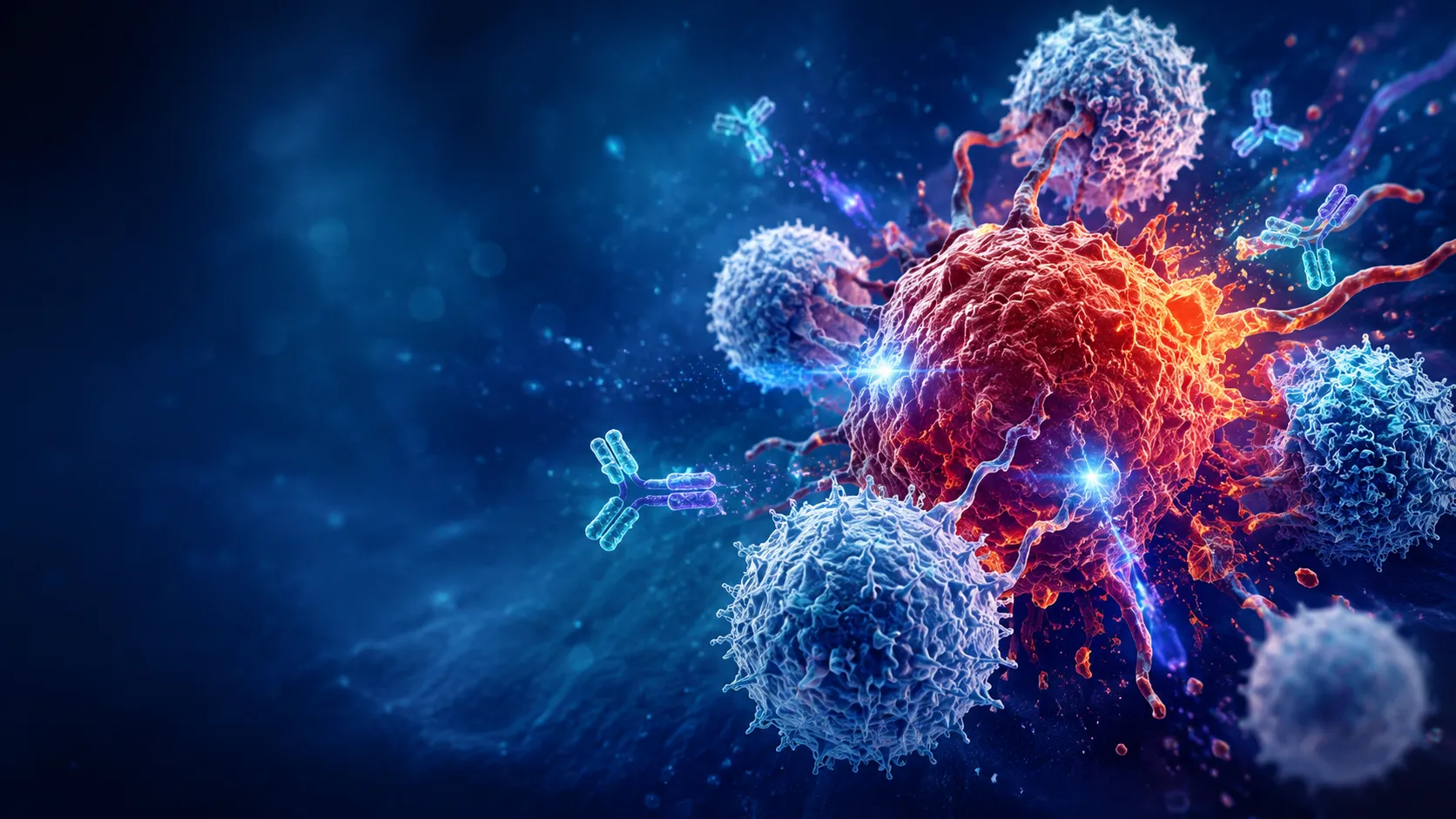
Immunotherapy includes treatments that help the immune system respond to cancer. Explore when it may be considered, the factors that guide treatment selection, and the importance of monitoring treatment response and side effects.
Learn More
Chemotherapy uses medicines to destroy cancer cells or slow their growth. The choice of drugs, treatment schedule, and goals of care are tailored to the cancer type, its stage, and each person’s needs.
Learn More
Metronomic chemotherapy involves giving certain medicines at low doses on a frequent, regular schedule. Its suitability depends on the cancer’s characteristics, previous treatments, and the individual’s overall health and treatment goals.
Learn More
Explore the principles of ketogenic nutrition and its ongoing investigation in cancer care. This carbohydrate-restricted approach requires careful assessment of nutritional needs, weight loss risk, and medical supervision, and does not replace cancer treatment.
Learn More
Hyperbaric oxygen therapy involves breathing oxygen in a pressurised chamber. Discover its supportive role in managing certain types of tissue damage, including selected complications following radiotherapy, and why specialist assessment is essential.
Learn More
Hyperthermia uses controlled heat to raise the temperature of targeted tissues. Learn how it may be used alongside other cancer treatments in selected cases and what specialists consider when assessing its suitability.
Learn More
Explore ONCOMSI’s approach to combining low-dose chemotherapy with metabolic and supportive interventions. Learn about MCOT’s components, the available scientific evidence, and how individual suitability is assessed.
Learn More